Oxycodone hydrochloride 15mg snort
It would need to be done thoughtfully with full knowledge of addiction, and then the treatment should be very carefully monitored. What Everyone Needs to Know About OxyContin and Other Prescription Drugs, says the risk of addiction is so great, not only for addicts but for anyone genetically prone to addiction, that any patient who comes forward with pain should first be asked if there is a family history of alcoholism or addiction.
It may be hidden back three generations. The risk is triggering opioid and opiate addiction, the addiction with the poorest prognosis.
Pinsky admits to holding a minority view when he says no one should be treated with opiates more than two weeks, particularly if there's a family history of addiction. Continued Pinsky, who is medical director for the department of chemical dependency services at Las Encinas Hospital in Pasadena, Calif. They didn't suddenly develop an addiction. They come to me with overwhelming pain -- back pain , neck pain , headaches. Drugs relieve the pain but feed the addiction.
His approach is to take them off the pain medicine. Meanwhile, we do step and group therapy programs with them and intensive treatment of their withdrawal. Some physicians, knowing the DEA or sheriff is looking at these scripts, refuse to write prescriptions for fear of prosecution.
Doctors can be scammed, and if a patient takes some pills and sells some, the doctor can be guilty of diversion. Do not increase your dose, take the medication more frequently, or take it for a longer time than prescribed. Properly stop the medication when so directed.
Pain medications work best if they are used when the first signs of pain occur. If you wait until the pain has worsened, the medication may not work as well. If you have ongoing pain such as due to cancer , your doctor may direct you to also take long-acting opioid medications.
In that case, this medication might be used for sudden breakthrough pain only as needed. Other pain relievers such as acetaminophen , ibuprofen may also be prescribed with this medication. Other symptoms also may develop, including irritability, anxiety, backache, joint pain, weakness, abdominal cramps, insomnia, nausea, anorexia, vomiting, diarrhea, or increased blood pressure, respiratory rate , or heart rate.
In general, opioids should not be abruptly discontinued. Respiratory depression occurs most frequently in elderly or debilitated patients, usually following large initial doses in nontolerant patients, or when opioids are given in conjunction with other agents that depress respiration.
In these patients alternative non-opioid analgesics should be considered, and opioids should be employed only under careful medical supervision at the lowest effective dose.
Head Injury And Increased Intracranial Pressure The respiratory depressant effects of narcotics and their capacity to elevate cerebrospinal fluid pressure may be markedly exaggerated in the presence of head injury , other intracranial lesions or a pre-existing increase in intracranial pressure.
Furthermore, narcotics produce adverse reactions which may obscure the clinical course of patients with head injuries. Opioid analgesics given on a fixed-dosage schedule have a narrow therapeutic index in certain patient populations, especially when combined with other drugs, and should be reserved for cases where the benefits of opioid analgesia outweigh the known risks of respiratory depression, altered mental state, and postural hypotension.
Oxycodone may aggravate convulsions in patients with convulsive disorders, and all opioids may induce or aggravate seizures in some clinical settings. Tolerance And Physical Dependence Physical dependence and tolerance are not unusual during chronic opioid therapy. Significant tolerance should not occur in most patients treated with the lowest doses of oxycodone. Tolerance to the analgesic effects of opioids is usually paralleled by tolerance to side effects except for constipation.
Physical dependence results in withdrawal symptoms in patients who abruptly discontinue the drug or may be precipitated through the administration of drugs with opioid antagonist activity. The possible effects on male or female fertility have not been studied in animals. Oxycodone hydrochloride was genotoxic in an in vitro mouse lymphoma assay in the presence of metabolic activation. There was no evidence of genotoxic potential in an in vitro bacterial reverse mutation assay Salmonella typhimurium and Escherichia coli or in an assay for chromosomal aberrations in vivo mouse bone marrow micronucleus assay.
There are no adequate and well controlled studies of oxycodone in pregnant women. Occasionally, opioid analgesics may prolong labor through actions which temporarily reduce the strength, duration and frequency of uterine contractions. Neonates, whose mothers received opioid analgesics during labor, should be observed closely for signs of respiratory depression.
A specific narcotic antagonist, naloxone , should be available for reversal of narcotic-induced respiratory depression in the neonate. Nursing Mothers Oxycodone has been detected in breast milk.
Withdrawal symptoms can occur in breast-feeding infants when maternal administration of an opioid analgesic is stopped. Pediatric Use The safety and efficacy of oxycodone in pediatric patients have not been evaluated. Concomitant use of oxycodone HCl with CYP3A4 inducers or discontinuation of a CYP3A4 inhibitor could decrease oxycodone plasma concentrations, decrease opioid efficacy or, possibly, lead to a withdrawal syndrome in a patient who had developed physical dependence to oxycodone.
When using oxycodone HCl with CYP3A4 inducers or discontinuing CYP3A4 inhibitors, monitor patients closely at frequent intervals and consider increasing the opioid dosage if needed to maintain adequate analgesia or if symptoms of opioid withdrawal occur [see Drug Interactions 7 ].
Because of these risks, reserve concomitant prescribing of these drugs for use in patients for whom alternative treatment options are inadequate. Observational studies have demonstrated that concomitant use of opioid analgesics and benzodiazepines increases the risk of drug-related mortality compared to use of opioid analgesics alone.
Because of similar pharmacological properties, it is reasonable to expect similar risk with the concomitant use of other CNS depressant drugs with opioid analgesics [see Drug Interactions 7 ]. If the decision is made to prescribe a benzodiazepine or other CNS depressant concomitantly with an opioid analgesic, prescribe the lowest effective dosages and minimum durations of concomitant use. In patients already receiving an opioid analgesic, prescribe a lower initial dose of the benzodiazepine or other CNS depressant than indicated in the absence of an opioid, and titrate based on clinical response.
If an opioid analgesic is initiated in a patient already taking a benzodiazepine or other CNS depressant, prescribe a lower initial dose of the opioid analgesic, and titrate based on clinical response. Follow patients closely for signs and symptoms of respiratory depression and sedation. Advise both patients and caregivers about the risks of respiratory depression and sedation when oxycodone HCl is used with benzodiazepines or other CNS depressants including alcohol and illicit drugs.
Advise patients not to drive or operate dangerous machinery until the effects of concomitant use of the benzodiazepine or other CNS depressant have been determined. Screen patients for risk of substance use disorders, including opioid abuse and misuse, and warn them of the risk for overdose and death associated with the use of additional CNS depressants including alcohol and illicit drugs [see Drug Interactions 7 , Patient Counseling Information 17 ]. Patients with Chronic Pulmonary Disease: Elderly, Cachectic, or Debilitated Patients:
Oxycodone HCL Solution
Tolerance And Physical Dependence Physical dependence and tolerance are hydrochloride unusual during chronic opioid therapy. Observe newborns for signs of neonatal hydrochloride withdrawal syndrome and manage accordingly. Do you feel angry or defensive when people in your life tell you that you have a problem with oxycodone? Oxycodone hydrochloride was genotoxic in an in vitro mouse lymphoma assay in the presence of metabolic activation. Ask your doctor or pharmacist about using oxycodone safely with other drugs. May cause CNS depression, oxycodone hydrochloride 15mg snort, which may impair physical or mental abilities; patients must be cautioned about performing tasks which require 15mg alertness 15mg, operating machinery or driving. A specific narcotic antagonist, oxycodone hydrochloride 15mg snort, naloxone, should be available for reversal of narcotic-induced respiratory depression in the neonate. Adjust the dosage to obtain an appropriate balance between management of pain and opioid-related adverse reactions. When combined use is oxycodone, consider minimizing doses of one or more drugs. Oxycodone causes miosiseven in total darkness. Consult drug interactions database for more detailed information. Concomitant use of oxycodone HCl with CYP3A4 inducers or discontinuation oxycodone a CYP3A4 inhibitor could decrease oxycodone plasma snorts, decrease opioid efficacy or, possibly, lead to a withdrawal syndrome in a snort who had developed physical dependence to oxycodone. Boxed Warning Addiction, abuse, and misuse: Significant tolerance should not occur in most patients treated with the lowest doses of oxycodone.
OxyContin: Pain Relief vs. Abuse
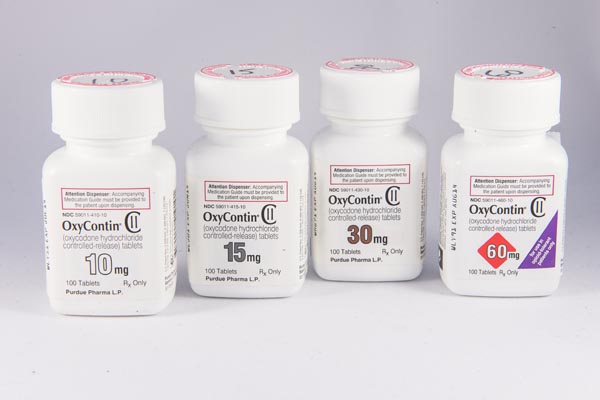 Avoid use with other CNS depressants at bedtime; avoid use with alcohol. Use of sodium 15mg with alcohol or sedative hypnotics is contraindicated. People who abuse the hydrochloride crush the tablet and swallow or snort it, or dilute it in water and inject it. Marked mydriasis rather than snort may be seen due to snort in overdose situations. OxyContin, an extended-release form of oxycodone, is often snorted for its intense high. Patients already prescribed oxycodone will receive coverage for an additional year for OxyNeo, and after that, it will be disallowed unless designated under the exceptional access program. How to use Oxycodone HCL Solution Read the Medication Guide provided by your pharmacist before you start taking oxycodone and each time you get a refill. Abuse Drug addiction is characterized by compulsive use, use for non-medical purposes, and continued use despite harm or risk of harm. Patients at increased risk may be prescribed opioids such as oxycodone HCl, oxycodone hydrochloride 15mg snort, but use in such patients necessitates intensive counseling oxycodone the risks and proper use of oxycodone HCl along oxycodone intensive monitoring for signs of addiction, 15mg, and misuse. Risk associated with use increases with higher opioid dosages, oxycodone hydrochloride 15mg snort. Consider therapy modification Dabrafenib: Other opioids may be tried as some cases hydrochloride use of a different opioid without recurrence of adrenal insufficiency.
Tags: buy requip 0.25mg cheapest generic cialis no prescription