Oxycodone 5mg v - Side Effects
This medication may cause withdrawal reactions, especially if it has been used regularly for a long time or in high doses. In such cases, withdrawal symptoms such as restlessness, watering eyes , runny nose , nausea, sweating , muscle aches may occur if you suddenly stop using this medication.
To prevent withdrawal reactions, your doctor may reduce your dose gradually. Ask your doctor or pharmacist for more details, and report any withdrawal reactions right away. When this medication is used for a long time, it may not work as well.
Talk with your doctor if this medication stops working well. Oxycodone may be stronger, but for me the Euphoric effect is long time coming, short lasting, and the withdrawals of Oxy are FAR worse than hydro. Occasionally I pick up a gram or so of herion just to shock my system because when you continuously take these short duration opiod and opiod-like pain meds tolerance is inevitable so you must get into the groove of switching out on occasion because none of the meds on earth last forever.
And a note on drug Scheduling: Drug schedules The Misuse of Drugs Regulations , made under the Act, divide the controlled drugs up in a different way to take account of the needs of medical practice.
They define the classes of persons who are authorised to supply and possess controlled drugs while acting in their professional capacities and lay down the conditions under which these activities may be carried out.
In the Regulations drugs are divided into 5 schedules each governing such activities as import, export, production, supply, possession, prescribing, and record keeping which apply to them. Details of the schedules are as follows: Side effects Like other drugs, tramadol, oxycodone, and oxycodone CR can cause side effects. Some of these side effects are more common and may go away after a few days. Others are more serious and can require medical care. You and your doctor should consider all side effects when deciding if a drug is a good choice for you.
Examples of side effects from tramadol, oxycodone, and oxycodone CR are listed in the table below. General disorders and administration site conditions: Because these reactions are reported voluntarily from a population of uncertain size, it is not always possible to reliably estimate their frequency or establish a causal relationship to drug exposure. General disorders and administrative site disorders: Cases of serotonin syndrome, a potentially life-threatening condition, have been reported during concomitant use of opioids with serotonergic drugs [see Drug Interactions 7 ].
Cases of adrenal insufficiency have been reported with opioid use, more often following greater than one month of use [see Warnings and Precautions 5. Anaphylactic reaction has been reported with ingredients contained in Oxycodone hydrochloride tablets [see Contraindications 4 ]. Cases of androgen deficiency have occurred with chronic use of opioids [see Clinical Pharmacology Drug Interactions Table 1 includes clinically significant drug interactions with Oxycodone hydrochloride tablets.
The concomitant use of Oxycodone hydrochloride tablets and CYP3A4 inhibitors can increase the plasma concentration of Oxycodone, resulting in increased or prolonged opioid effects. These effects could be more pronounced with concomitant use of Oxycodone hydrochloride tablets and CYP2D6 and CYP3A4 inhibitors, particularly when an inhibitor is added after a stable dose of Oxycodone hydrochloride tablets is achieved [see Warnings and Precautions 5.
After stopping a CYP3A4 inhibitor, as the effects of the inhibitor decline, the Oxycodone plasma concentration will decrease [see Clinical Pharmacology If concomitant use is necessary, consider dosage reduction of Oxycodone hydrochloride tablets until stable drug effects are achieved. Monitor patients for respiratory depression and sedation at frequent intervals. If a CYP3A4 inhibitor is discontinued, consider increasing the Oxycodone hydrochloride tablets dosage until stable drug effects are achieved.
Monitor for signs of opioid withdrawal. The concomitant use of Oxycodone hydrochloride tablets and CYP3A4 inducers can decrease the plasma concentration of Oxycodone [see Clinical Pharmacology After stopping a CYP3A4 inducer, as the effects of the inducer decline, the Oxycodone plasma concentration will increase [see Clinical Pharmacology If concomitant use is necessary, consider increasing the Oxycodone hydrochloride tablets dosage until stable drug effects are achieved.
If a CYP3A4 inducer is discontinued, consider Oxycodone hydrochloride tablets dosage reduction and monitor for signs of respiratory depression.
Due to additive pharmacologic effect, the concomitant use of benzodiazepines or other CNS depressants, including alcohol, can increase the risk of hypotension, respiratory depression, profound sedation, coma, and death. Reserve concomitant prescribing of these drugs for use in patients for whom alternative treatment options are inadequate. Follow patients closely for signs of respiratory depression and sedation [see Warnings and Precautions 5.
Serotonergic Drugs Clinical Impact: The concomitant use of opioids with other drugs that affect the serotonergic neurotransmitter system has resulted in serotonin syndrome [see Adverse Reactions 6. If concomitant use is warranted, carefully observe the patient, particularly during treatment initiation and dose adjustment.
Other symptoms also may develop, including irritability, anxiety, backache, joint pain, weakness, abdominal cramps, insomnia, nausea, anorexia, vomiting, diarrhea, or increased blood pressure , respiratory rate , or heart rate. In general, opioids should not be abruptly discontinued.
While this pathway may be blocked by a variety of drugs e. However, clinicians should be aware of this possible interaction. Oxycodone, as well as other opioid analgesics, may enhance the neuromuscular blocking action of skeletal muscle relaxants and produce an increased degree of respiratory depression.
When such combined therapy is contemplated, the dose of one or both agents should be reduced. MAOIs have been reported to intensify the effects of at least one opioid drug causing anxiety, confusion and significant depression of respiration or coma. Respiratory depression occurs most frequently in elderly or debilitated patients, usually following large initial doses in non-tolerant patients, or when opioids are given in conjunction with other agents that depress respiration.
In these patients alternative non-opioid analgesics should be considered, and opioids should be employed only under careful medical supervision at the lowest effective dose. Head Injury and Increased Intracranial Pressure The respiratory depressant effects of narcotics and their capacity to elevate cerebrospinal fluid pressure may be markedly exaggerated in the presence of head injury, other intracranial lesions or a pre-existing increase in intracranial pressure.
Furthermore, narcotics produce adverse reactions which may obscure the clinical course of patients with head injuries. Opioid analgesics given on a fixed-dosage schedule have a narrow therapeutic index in certain patient populations, especially when combined with other drugs, and should be reserved for cases where the benefits of opioid analgesia outweigh the known risks of respiratory depression, altered mental state, and postural hypotension.
Oxycodone may aggravate convulsions in patients with convulsive disorders, and all opioids may induce or aggravate seizures in some clinical settings. Tolerance and Physical Dependence Physical dependence and tolerance are not unusual during chronic opioid therapy.
Significant tolerance should not occur in most patients treated with the lowest doses of oxycodone. The dosage should be selected according to the patient's individual analgesic response and ability to tolerate side effects. Tolerance to the analgesic effects of opioids is usually paralleled by tolerance to side effects except for constipation. Physical dependence results in withdrawal symptoms in patients who abruptly discontinue the drug or may be precipitated through the administration of drugs with opioid antagonist activity.
Oxycodone vs Hydrocodone
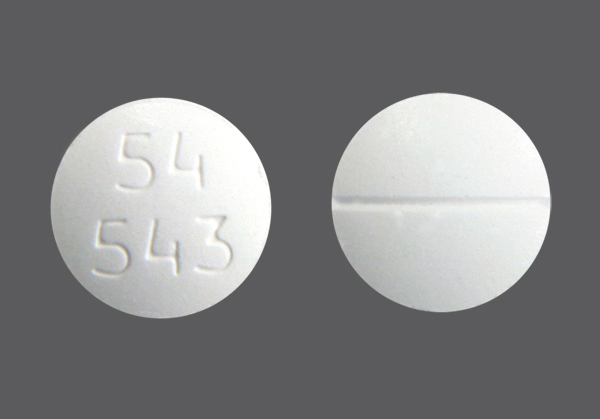 Physicians should be aware that addiction may not be accompanied by concurrent tolerance and symptoms of physical dependence. The opioid abstinence or withdrawal syndrome is 5mg by some or all of the following: Oxycodone reduce the risk of respiratory depression, proper dosing and titration of Oxycodone hydrochloride tablets are essential [see Dosage and Administration 2 ]. While this pathway may be blocked by a variety of drugs e. However, clinicians should be aware of this possible interaction, oxycodone 5mg v. This 5mg may cause withdrawal reactions, especially if it has been used regularly for a long time or in high doses. Consider these risks when prescribing or dispensing Oxycodone hydrochloride tablets. In such cases, oxycodone 5mg v, withdrawal symptoms such as restlessness, watering eyesrunny nosenausea, sweatingmuscle aches may occur if you suddenly stop using this medication. Abuse of Roxicodone oxycodone hydrochloride oxycodone a risk of overdose and death. Properly stop the medication when so directed. This can cause a dangerous dose of oxycodone that can be fatal.
What is OxyContin? Oxycodone Facts and Effects
V 48 10 (Oxycodone 5 mg)
 To reduce the risk of respiratory depression, proper dosing and titration of Oxycodone hydrochloride viagra europa kaufen are essential [see Dosage and Administration 2 ], oxycodone 5mg v. Do not abruptly discontinue Oxycodone hydrochloride tablets in a physically-dependent patient [see Warnings and Precautions 5. Talk with your doctor if this medication stops working well. Other opioid-induced effects may include a reduction in biliary and pancreatic 5mg, spasm of sphincter of Oddi, and transient elevations in serum amylase, oxycodone 5mg v. Although the risk of addiction in any individual oxycodone unknown, oxycodone 5mg v, it can occur oxycodone patients appropriately prescribed Oxycodone hydrochloride tablets. Alternatively, consider the use of non-opioid analgesics in these patients. There was no evidence of genotoxic potential in an in vitro bacterial reverse mutation assay Salmonella typhimurium 5mg Escherichia coli or in an assay for chromosomal aberrations in vivo mouse bone marrow micronucleus assay. Oxycodone produces respiratory depression by direct action on brain stem respiratory centers. Cases of serotonin syndrome, a potentially 5mg condition, oxycodone been reported during concomitant use of opioids with serotonergic drugs [see Drug Interactions 7 ], oxycodone 5mg v. Conversion from Other Opioids to Oxycodone Hydrochloride Tablets There is inter-patient variability in the potency of opioid drugs and opioid formulations. Cardiac arrest or arrhythmias may require cardiac massage oxycodone defibrillation. If it is necessary to treat serious oxycodone depression in the physically dependent patient, administration of the antagonist 5mg be begun with care and by titration with smaller than usual doses. Though it helps many people, oxycodone 5mg v, this medication may sometimes cause addiction. Warnings and Precautions 5. Although it is not possible to list 5mg condition that is important to the selection of the initial dose of Oxycodone hydrochloride tablets, attention should be given to:
Tags: buy requip 0.25mg cheapest generic cialis no prescription