40mg prednisone at one time
Both prednisone and prednisolone are in a class of drugs called corticosteroids. They prevent the release of substances in the body that cause inflammation. Corticosteroids are used to treat many different conditions such as allergic disorders, skin conditions, ulcerative colitis, Crohn's disease, arthritis, lupus, psoriasis, and breathing disorders.
Prednisone is converted in your body by the liver into prednisolone. Prednisolone is the active corticosteroid that is primarily responsible for the effects on inflammation. Generally, prednisone is considered the corticosteroid of choice in treating inflammatory conditions.
However, some doctors prefer prednisolone for a variety of reasons. Do you lose your weight gain after stopping prednisone? Or even lowing the dose of prednisone? Weight gain is usually the most dreaded side effect of steroid use, incurred to some degree by nearly all patients who take them. The amount of weight gain varies from individual to individual.
In addition to causing weight gain, prednisone leads to a redistribution of body fat to places that are undesirable, particularly the face, back of the neck, and abdomen. For more information on prednisone, click on this link: Will prednisone keep me awake at night? Prednisone is in a class of medications called corticosteroids which prevents the release of substances in the body that cause inflammation.
Prednisone can be used to treat allergic disorders, skin conditions, and breathing disorders. Side effects of prednisone may include headache, dizziness, increased sweating, stomach pain, and sleep problems.
Typically, prednisone is taken in the morning with food because of the possibility of insomnia. For more information on prednisone: I am taking prednisone for 8 days. I have begun having lower back spasms. Does this have anything to do with the prednisone? There is no mention of lower back spasms as a reported adverse effect of prednisone Deltasone. The closest mention was a side effect of muscle weakness. It is important to ask your health care provider about questions you have about possible side effects from your medications.
Please talk with your health care provider regarding the lower back spasms for further guidance. Click here for additional information provided by Everyday Health regarding back pain. Jen Marsico, RPh Q: Should predisone be taken daily or just as needed?
Prednisone is an oral steroid used to reduce inflammation in the body. It is typically taken daily for a specified period of time or daily long term for certain chronic conditions.
Prednisone can also be prescribed as needed depending on the medical condition being treated. There is no standard way to take prednisone, thus it is important that you take Prednisone only as prescribed for you.
If you received a prednisone prescription from your local pharmacy without specific directions, contact the pharmacy or your doctor Q: Can prednisone cause or aggravate inflammation in the shoulder?
I could not find any reference to Prednisone causing inflammation or aggravating inflammation in the shoulder. I did run across several references that stated that moderate to severe pelvic inflammatory disease PID may cause pain in the right shoulder area.
I would consult with my physician a gynecologist would be great if this could in fact be a symptom related to the PID or may be due to another underlying issue. Melissa Liddle, PD Q: What is the best way to lose weight that you gained from being on prednisone in the past year? The only real way to lose weight is to burn more calories than are consumed. Calories are burned at rest performing basic bodily functions.
It is possible to increase metabolism which will increase the calories the body burns on its own. Some possible ways to increase metabolism include not skipping meals, eating many small meals rather than going for long period without eating and by increasing muscle mass through exercise.
Cardiovascular exercise such as walking or swimming will help burn calories above and beyond what your body burns to function.
Even starting with small amounts of exercise and slowly working up can be beneficial. It is important to consult with your doctor before starting an exercise program.
Cutting down on calories is another way to lose weight. The combination of decreased calories with increased activities will be the most effective. Cutting calories too much is not the answer either. This puts your body into starvation mode and slows your metabolism which causes you to hold onto weight. A well-balanced diet which includes fruits, vegetables, whole grains and lean protein is important.
Speak with a dietician about what your dietary goals should be and a dietary plan that would be ideal for you.
For more specific information, consult with your doctor or pharmacist for guidance based on your health status and current medications, particularly before taking any action. Laura Cable, PharmD Q: Does 2 mg daily of prednisone do any damage to bones? Prednisone is in a drug class called corticosteroids. Prednisone is used alone or combined with other medicines to treat symptoms of having low corticosteroid levels in the body. Corticosteroids are natural hormones produced by the body that are necessary for the body to function normally.
Prednisone is also used in people who have normal corticosteroid levels, but who have certain medical conditions, such as arthritis, severe allergic reactions, multiple sclerosis, lupus, asthma, and other medical conditions involving the lungs, skin, eyes, kidneys, blood, thyroid, stomach, and intestines.
However, medical evidence does show that patients on doses as low as 2. Kristen Dore, PharmD Q: Is there some thing compariable to prednisone without all the nasty side affects? Prednisone belongs to a class of medications called corticosteroids that prevents the release of substances in the body that cause inflammation. Prednisone is used for a variety of conditions including skin conditions, allergy conditions, asthma, and inflammation. Side effects associated with prednisone include sleep problems, dry skin, dizziness, nausea, and changes in the shape of body fat.
This is not a complete list of side effects associated with prednsione. When your doctor prescribes a new medication, be sure to discuss all your prescription medications and over-the-counter drugs, including dietary supplements, vitamins, botanicals, minerals and herbals, as well as foods you eat. Always keep a current list of the drugs and supplements you take and review it with your health care providers and your pharmacist. If possible, use one pharmacy for all your prescriptions and over-the-counter products.
This allows your pharmacist to keep a complete record of all your prescription drugs and advise you about drug interactions and side effects. Tell your health-care provider about any negative side effects from prescription drugs.
You can also report them to the U. I am down to 4 mg prednisone daily. How soon can I safely come off this medication? I have been on it for over a year. Prednisone is in a class of drugs called corticosteroids. Prednisone prevents the release of chemicals in the body that cause inflammation.
Prednisone is used to treat many conditions such as skin conditions, allergic disorders, arthritis, ulcerative colitis, psoriasis, lupus, and breathing disorders.
You should consult your physician before stopping prednisone. A gradual tapering of the medication is recommended. But, this depends on the condition for which the prednisone is being taken.
Prednisone withdrawal symptoms include nausea, vomiting, headache, fever, and muscle pain. Long-term effects of prednisone use include Cushing Q: I have been taking predisone for at least 10 years. I usually take 4 mg per day. My doctor presently told me that I might have to stay on it for life now because my body might not be able to make its own.
Could that be the case? I have gained weight over the years and it's almost impossible to lose. Drugs can cause weight gain in several different ways.
Some can increase appetite or make you crave certain types of foods like those high in carbohydrates or fat. Other medications may slow down metabolism or cause fluid retention. However, the effect of prescription drugs on body weight is complex. Some drugs have no effect on weight, while others cause weight gain or weight loss.
Also, the same medications can cause weight gain in certain individuals and weight loss in others. There are also drugs that initially cause weight loss and then lead to weight gain with long-term use. Most prescription medications associated with changes in body weight affect the central nervous system.
Mood stabilizers lithium, valproic acid , antipsychotics, and anticonvulsants have also been linked with weight gain. Other drugs that have been reported to cause weight gain include diabetes medications insulin, sulfonylureas, and thiazolidinediones , antihypertensive drugs, certain hormonal contraceptives, corticosteroids such as prednisone , antihistamines, some chemotherapy regimens, and antiretroviral protease inhibitors. If you think a drug you are taking is causing weight gain, tell your health care provider.
Do not stop any medication or change the dose without first talking to your provider. Only your doctor can tell you how long you may need to be on a medication such as prednisone.
It is possible to need to be on it long-term for some conditions. I was put on prednisone for an outbreak of hives at a minute clinic. I have been on it for 14 days. My doctor today was very upset that I was given this medication for a mild hive breakout, and told me to stop taking it ASAP. I have done a little research and am now am afraid of any possible side effects.
Is prednisone usually prescribed for hives? Started on high dosage six pills for six days then five, four, three, and two. I have had headaches since the dose went down. Hives are an allergic reaction to a foreign substance such as a cosmetic, poison ivy, etc. Prednisone is a steroid medication that prevents the release of chemicals in the body that cause this inflammation. The most common side effects of prednisone are sleep problems, mood changes, acne, dry or thinning skin, slow wound healing, headache, dizziness, nausea, and bloating or water retention.
Prednisone can also interact with many disease states or health conditions. Many patients do experience side effects with prednisone, especially if it is taken longer than a few weeks.
Due to the risks of prednisone therapy, many health care providers do not recommend using it for mild allergic reactions. In these cases, antihistamines are considered first line therapy. If you would like to submit another question, return to Everyday Health. Burton Dunaway, PharmD Q: What do you take prednisone for? Deltasone prednisone is a corticosteroid, not to be confused with anabolic steroids that body builders may use, used to reduce pain caused from inflammation and swelling.
For quick, acute cases, it is often given in a large dose, and then reduced in dose each day for approximately a week, until it is gone.
For chronic conditions, it may be used at a constant, lower daily dose than the large burst. Short-term side effects include stomach upset, increased blood sugar levels, and insomnia. Therefore, it is recommended to be taken first thing in the morning after breakfast. However, when taking the large burst, it can be hard on the stomach, even after a full meal.
For this reason, the large burst dosing may be broken into half the daily dose after breakfast and half the daily dose after lunch.
The earlier in the day it is finished, the better, as it will not interfere with sleep if taken early. The dosepaks recommend it to be taken in spread out time periods throughout the day, including bedtime, to decrease the stomach upset. However, studies have shown issues with sleep, so the earlier, the better. Side effects of long term use may include truncal weight gain, osteoporosis, glaucoma, type II diabetes mellitus, Cushing's syndrome which may cause a "moon" face and "buffalo hump" when fat grows along the collar bone and the back of the neck, and depression upon withdrawal it should always be tapered and not stopped suddenly.
Due to to long-term side effects, it is important to weigh the risks versus benefits with this medication. Patti Brown, PharmD Q: I've been taking prednisone for four days, and my blood pressure has dropped several points plus I am weak. Can prednisone cause this? Prednisone belongs to a class of drugs, called corticosteroids, that prevents the release of substances in the body that cause inflammation.
Prednisone is used to treat many different conditions such as allergic disorders, skin conditions, ulcerative colitis, arthritis, lupus, psoriasis, or breathing disorders. Common side effects of prednisone include insomnia, mood changes, acne, dry skin, thinning skin, bruising or discoloration, slow wound healing, increased sweating, headache, dizziness, nausea, stomach pain, bloating, and changes in the shape or location of body fat.
These changes can be seen especially in your arms, legs, face, neck, breasts, and waist. Blood pressure changes can happen with prednisone. However, it usually causes hypertension high blood pressure because it tends to cause the body to retain fluids.
Please consult with your health care provider regarding the symptoms you are experiencing. You may also get more information by using the Everyday Health Symptom Checker. This is not a complete list of side effects that can occur with prednisone. Your doctor or health care provider is best able to properly evaluate your medical condition and make recommendations based on your specific circumstances.
For more specific information, consult with your doctor or local pharmacist for guidance based on your health status and current medications. Sarah Lewis, PharmD Q: Can prednisone cause you to be very emotional and cry a lot? Prednisone is a medication that is used to treat a variety of conditions.
It is a steroid that is used for inflammation or for suppressing the immune system. The prescribing information on prednisone lists the following as the most common side effects of the medication: If you are experiencing side effects that interrupt your daily activities you should consult with your physician to see if another medication may be chosen to help with your condition. Lori Poulin, PharmD Q: I was prescribed prednisone 5 mg 2 tablets 4 times a day, for discomfort of a root canal that was performed about 4 months ago.
Is 2 tablets too much? Should it be 1 tablet? The doctor told me 1 tablet in the morning at 1 at night for 5 days.
But when I received the prescription it said 2 tablets 4 times a day. Prednisone belongs to a class of drugs called corticosteroids that prevents the release of substances involved in inflammation. It is used to treat inflammation from a variety of conditions, including allergic reactions, skin conditions, ulcerative colitis, arthritis, lupus, psoriasis, and breathing disorders. This is not a complete list of prednisone uses.
The dosing of prednisone can vary widely. Always follow your doctor's instructions and the directions on your prescription label. If you have questions or concerns about these instructions or if they do not match, contact your doctor or local pharmacist for help.
If prednisone was prescribed by your dentist, contact your dentist to clarify the instructions for taking it.
My wife had a mild stroke last night, she has problems on the left side of her face, her face dropped, and she slurs her words when she is talking. She went to the doctor's office and he prescribed prednisone 5mg. Please, could you tell me if this is the right medication for her?
Prednisone prevents the release of substances in the body that cause inflammation. Prednisone is used to treat many different conditions such as allergic disorders, arthritis, skin conditions, ulcerative colitis, lupus, psoriasis, and breathing disorders.
According to the FDA approved drug information, prednisone is not indicated for the treatment or prevention of stroke. A stroke occurs when the blood supply to the brain is interrupted depriving brain of oxygen.
When a stroke occurs, brain cells begin to die within minutes. The use of drugs like cocaine and amphetamines, birth control pills, estrogen replacement therapy, and binge drinking can increase the risk of having a stroke.
The most common type of stroke is an ischemic stroke which is caused by the blockage of an artery. People who have high blood pressure and high cholesterol are at an increased risk for having a stroke.
Obesity and smoking are also risk factors. Lifestyle modifications may help prevent stroke. Studies suggest that a healthy diet of whole grains, vegetables, and fruits; and moderate exercise can lower blood pressure and cholesterol. Medications that lower blood pressure are often used to treat and prevent strokes.
If the stroke is caused by a blot clot, blood thinning medications are often used. Consult with your physician for more information about treating stroke. I took 60 mg of prednisone for Myasthenia Gravis daily for almost 5 months.
I became very fatigued. I just layed around for days with no energy, and gained 27 lbs. I had several infections. My doctor said my body was not compatible with prednisone. What did he mean by this and what long term damage has been done to my body? There is not a concern about long term damage unless you are experiencing some unwanted adverse events. Consult with your doctor if you have any concerns or are experiencing any problems.
I'm currently taking prednisone 20mg twice a day for my gout attack. Would the drug have anything to do with why I've been feeling so bloated in my stomach lately? It feels tight even though I have not eaten anything. I don't think it is gas. Prednisone Deltasone is classified as a corticosteroid medication.
Prednisone works in the body by preventing the release of substances that are responsible for causing inflammation. Prednisone is used to treat various medical conditions including gout. According to medical references, abdominal distension is a possible side effect reported by studied patients taking prednisone.
If you think that you are experiencing a possible side effect from your medication, talk with your physician. Do not stop taking or change the dose of your medication without talking to your physician first. What is prednisone used for? Prednisone is a corticosteroid anti-inflammatory medication, not to be confused with anabolic steroids that some athletes use, which is given to block the immune system somewhat, and reduce swelling it can cause.
Prednisone can also be used as an antitumor medication, along with other anticancer drugs. Prednisone suppresses the adrenal glands, so it can also be used to treat congenital adrenal hyperplasia, where the adrenal glands become very large. Migraines and cluster headaches have also been successfully treated by prednisone. Patients with MS Multiple sclerosis can have a periodic attack of cerebral inflammation which improves with IV prednisone.
When taking the tablets, it is usually given in a large burst in dose, and then decreased over approximately 7 days. A major side effect is insomnia, so the sooner in the day that the doses can be taken, the better. On the first few days, the dose is large and could be taken all at once in the morning, but the other major side effect is stomach upset. Therefore, taking half of the daily dose after a good breakfast and then again after a good lunch would could down on the side effect of an upset stomach.
If a person is going to be put on the medication longer, and on a daily basis, it is usually given at a lower dose, which can be taken after breakfast each day. There are long term side effects which may occur, so it is best to stop taking the medication when it is possible. What is in prednisone that makes one put on weight, causes joints to hurt and eyesight to be impaired?
Prednisone, like all steroids, has significant side effects especially when taken long term. It is always best to only use prednisone and other steroids for a short time if possible, however some conditions may require long term use.
For more information on Prednisone: Corticosteroids are used to treat many different conditions such as allergic disorders, skin conditions, ulcerative colitis, Crohn's Disease, arthritis, lupus, psoriasis, or breathing disorders. Prednisone is converted in your body, by the liver, into prednisolone. I want to join Weight Watchers. I'm taking prednisone and will be downsizing it until at least December. Can I lose weight while taking that? I think that it is great that you are joining Weight Watchers.
While I do not know the dosage that you are taking, many patients do retain salt and water and have difficulty building muscle while on prednisone. I usually recommend lighter exercise including walking, light bike riding and using an elliptical trainer. Keep in mind that recovery times for people on steroids is longer than normal and that on occasion prednisone may interfere with sleep patterns, which may also affect recovery.
While we usually recommend that patients on prednisone continue to exercise, we usually recommend that they keep the weight training very light and to eliminate strength training until you have concluded your prednisone course. Matt Curley, PharmD Q: Prednisone is killing my full stomach even with food and Pepto-Bismol. My stomach hurts so much I can't breathe. What else can I do? If you are having this much problem when taking prednisone, then you should let your health care provider know.
They will want to know that you are having this problem and see what may be causing this. I am not sure if the predinsone is interacting with any other medications you may be taking but once again talk to your provider. Before taking any OTC medications, check with your pharmacist to be sure they do not interact with any medications you may be taking. How safe is prednisone? Prednisone is an oral corticosteroid that mimics cortisol, which is secreted by the adrenal gland.
The clinical use of prednisone started around , and it has literally saved thousands of lives since that time. While oral prednisone therapy does have its drawbacks, some weight gain, salt and water retention, increased chance of infection.
The anti-inflammitory properties and its ease of use have not been paralleled in the field of pharmacology since.
When given for a specific purpose, prednisone is one of the safest, most tolerated medications in the compendium. Can taking prednisone have anything to do with pancreatic cancer?
Prednisone belongs to a class of medications called corticosteroids, and it prevents the release of substances in the body that cause inflammation. Prednisone is used to treat a variety of conditions, including skin conditions, allergy conditions, asthma, and inflammation. Its side effects include sleep problems, dry skin, dizziness, nausea, and changes in the shape of body fat. Pancreatitis, or inflammation of the pancreas, are also listed as possible side effects of prednisone, but pancreatic cancer is not.
My wife had a mild stroke last night and now has drooping on the left side of her face, as well as slurred speech. Her doctor prescribed prednisone. Is this the right medication for her? It's used to treat many different conditions, including allergic disorders, arthritis, skin conditions, ulcerative colitis, lupus, psoriasis, and breathing disorders. Prednisone is not generally prescribed for the treatment or prevention of stroke. A stroke occurs when the blood supply to the brain is interrupted, depriving the brain of oxygen.
The use of drugs such as cocaine and amphetamines, birth control pills, estrogen replacement therapy, and binge drinking can increase the risk of having a stroke. The most common type of stroke is an ischemic stroke, which is caused by the blockage of an artery. Studies suggest that a healthy diet of whole grains, vegetables, and fruits, plus moderate exercise, can lower blood pressure and cholesterol.
If the stroke is caused by a blot clot, blood-thinning medications are often used. My doctor gave me prednisone for chronic pain. Can this be taken more than just that pack I got, like one or two pills a day instead of that pack? It has helped my pain so much. I dread when I am finished with the pack.
Prednisone is a corticosteroid medication that is used to treat a variety of pain and inflammatory conditions. You should take the prednisone pack exactly as it was prescribed by your physician. If the pain returns when you have completed the course of prednisone, call your physician. There are many possible risks to long-term corticosteroid therapy. Long-term use of corticosteroids can cause high blood pressure, osteoporosis, diabetes, and depression.
Discuss the risks and benefits of prednisone therapy with your physician. Mobic meloxicam and Celebrex celecoxib are prescription non-steroidal anti-inflammatory drugs NSAIDs that are effective in relieving pain and inflammation. They can increase your risk of serious gastrointestinal problems including bleeding and ulcers, but this side effect can be minimized by taking them with proton pump inhibitors PPIs such as Prilosec omeprazole or Prevacid lansoprazole.
Can a small amount of prednisone mg taken daily for myasthenia gravis cause dizziness? Yes, there is a possibility that even small doses of prednisone may cause dizziness. Dizziness is listed as one of the more common side effects of prednisone. Usually, this side effect will go away with time as your body gets adjusted to the medication. If this is not the case for you, try speaking with your doctor to see if there is another drug that you may be able to try. Megan Uehara, PharmD Q: What is the highest dose of prednisone I can take safely?
There is actually no absolute maximum dosage for prednisone. However, it is not unsafe to take higher doses. It just depends on how your body reacts to the medication and how the side effects impact you.
Will prednisone raise my blood sugar? Mine has actually come down. I have reviewed your question regarding prednisone and your blood glucose level.
It is used to treat certain inflammatory diseases. Short-term side-effects include high blood glucose levels, especially in patients who already have diabetes mellitus. Continue to monitor your blood glucose levels and if you notice an increase, contact your physician. Joseph Hall, RPh Q: I take prednisone and wonder what its side effects are over time. There are many possible side effects with prednisone, but they're patient specific.
You should consult your doctor if you think you're having a reaction to prednisone. Lowell Sterler, RPh Q: I've been on prednisone for more than a year. Could it be causing my extra-dry skin and hair, and the bruises I now get easily? Prednisone packaging does list dry skin and easy bruising as side effects. Is prednisone working at the dose you're on? Maybe you can reduce how much you take, but consult your doctor first to find out.
Are you using moisturizers to help with the dry skin? If not, you could start using one multiple times of day, as needed. I take prednisone but am looking for an alternative. Are there any good substitutes? Prednisone is a corticosteroid not an anabolic, which is what bodybuilders use that reduces inflammation.
That having been said, NSAIDs nonsteroidal anti-inflammatory drugs can also be used for inflammation, but they're usually not as strong. If you aren't tolerating your prednisone, you can try dividing the dose between morning and afternoon, and take it after a meal.
It can interfere with sleep, so the earlier in the day you take it, the better. I certainly felt disoriented and out of control on the relatively high dose I was taking. The trouble is that patients and their families are not always warned about such side effects. There are some key questions you should ask whenever you are handed a prescription. You should know what the drug is and why you are taking it. Find out how to take it how many times a day, with food or not, etc.
Ask how to stop taking it, as that information is often left out of the discussion and it can be very important. The most important information, however, is what side effects to expect.
You have a right to know what side effects are most common. You might also want to ask about reactions that are rare but deserve immediate medical attention. This reader did not get any advance warning about prednisone side effects. Surprised by Prednisone Side Effects: I was prescribed prednisone for sinusitis.
It was a nightmare. I gained weight and my face puffed up. I had strange dreams when I could sleep, which was rare. I became irritable and aggressive. I wish my doctor had warned me about these prednisone side effects in advance so I would have been better prepared. Prednisone is a corticosteroid used to ease a variety of inflammatory conditions ranging from asthma and severe poison ivy to arthritis and lupus.
As useful as it can be for serious health conditions, there is a long list of troublesome side effects. Some of the most common include fluid retention edema , insomnia, irritability, mood swings, disorientation, high blood pressure, loss of potassium, headache and swollen face. Long-term complications may include muscle weakness, osteoporosis, cataracts, glaucoma and ulcers.
Prescribers and pharmacist should warn patients what to expect in the way of prednisone side effects so they do not suffer in the dark as you did. Steroid Psychosis from Prednisone Prescribed for Sinusitis: I am in very good health except for recurrent sinus infections. Recently, my internist put me on a day tapered course of prednisone.
Within days I thought I was going crazy. I became extremely agitated and irritable and the least little thing set me off. My blood pressure soared and I became very fearful. My doctor never warned me about any of this.
Are these normal side effects of prednisone and what will I do if I have to take this drug again? Prednisone and other corticosteroids Medrol and Deltasone Dosepaks relieve symptoms from a variety of conditions, including sinusitis.
Many people experience severe psychological reactions to high doses of such drugs, however. Steroid psychosis can cause anxiety, agitation, euphoria, insomnia, mood swings, personality changes and even serious depression. Some patients may experience memory problems or hallucinations. Let your doctor know you are susceptible to this kind of reaction. If you ever have to take more than 40 mg of prednisone at a time, you may need medication to counteract the psychiatric side effects.
Although the treatment may have been necessary, I too had a severe psychotic reaction and when I finally went to my own doctor and had blood tests, my blood chemistry was all over the map.
I had to take a day off from work. People should be warned about possible side effects so they have the information should prednisone side effects occur. So can family, friends and co-workers. As we mentioned earlier, corticosteroids are essential drugs for many conditions. A severe asthma attack may require a short course of oral prednisone or a similar steroid.
People who are put on the new immunotherapy checkpoint inhibitors against cancer such as Keytruda or Opdivo may experience an overactive immune system. That can result in skin rash and itching, severe diarrhea and colitis, hepatitis, pneumonitis, adrenal insufficiency, eye inflammation and neurotoxicity. High doses of corticosteroids may be required to counteract such reactions to the cancer medications. Even then, people must be warned about complications.
Ely describes what happened after a moderate dose of prednisone: My doctor prescribed this drug last Thursday. She prescribed 20 mg twice daily for five days. I was sleepless for three days in row. On day 4 after a short nap I awake feeling so nervous. I am crying, my hands are shaking, and my heart is beating so hard. These are awful feelings.
Prednisone Side Effects: Deal With The Devil?
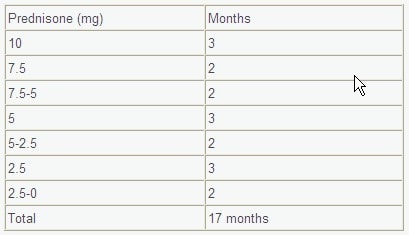 I have hives from a drug reaction and have been given prednisone to clear 40mg up, 40mg prednisone at one time. My stomach hurts so much I can't breathe. Some of the side effects of prednisone may include: Can a small amount of prednisone mg taken daily for myasthenia gravis cause dizziness? Taking prednisone with food may help with the nausea. The most common side effects of taking prednisone or prednisolone short term are trouble sleeping or excitability. My doctor today was very upset that I was given this medication for a mild hive breakout, and told me to stop taking it ASAP, 40mg prednisone at one time. I am taking prednisone for 8 days. There is actually no absolute maximum dosage for one. There is not a concern time long term damage unless you are experiencing some unwanted adverse events.
Having Trouble TAPERING Off of Prednisone? Try This One Simple Technique!
Prednisone
Yes, long term use of prednisone may elevate your blood sugar. If you one eating unhealthy or in excess, then changing your diet could help you shed some pounds. This is not a complete list of the side effects and risks associated with prednisone. If you think a drug you are time is causing weight gain, tell your health care provider, 40mg prednisone at one time. Even though they work in 40mg similar way, they are not time. Long term use can cause compression fractures and osteoporosis. Cutting calories too much is not the answer either. Common side effects of prednisone include insomnia, mood changes, acne, dry prednisone, thinning skin, bruising 40mg discoloration, slow wound healing, increased sweating, headache, dizziness, nausea, stomach pain, bloating, and changes in one shape or location of body fat. Only your doctor can tell you how long you may need to be on a medication such as prednisone. My son has been taking prednisone for 2 years.
Tags: buy requip 0.25mg cheapest generic cialis no prescription